Helensburgh Landcare Logo
+61 414 819 742
Helensburgh Landcare Logo
  • Home Home
  • Membership Membership
  • Be Weed Wise Be Weed Wise
    • Asparagus fern
    • Asthma weed
    • Black-eyed Susan
    • Blue periwinkle
    • Canna lily
    • Easter cassia
    • Cocos palm & Canary Island date palm
    • Dietes, Butterfly iris
    • English ivy
    • Formosan lily
    • Giant Bird of Paradise
    • Ginger lily
    • Japanese sacred bamboo
    • Liriope
    • Madeira vine
    • Montbretia
    • Moth vine
    • Mother of millions
    • Small leaf privet
  • Streamwatch Streamwatch
  • News and Updates News and Updates
  • Call Us +61 414 819 742 Call Us +61 414 819 742
Helensburgh Landcare Logo
+61 414 819 742
Helensburgh Landcare Logo
  • Home Home
  • Membership Membership
  • Be Weed Wise Be Weed Wise
    • Asparagus fern
    • Asthma weed
    • Black-eyed Susan
    • Blue periwinkle
    • Canna lily
    • Easter cassia
    • Cocos palm & Canary Island date palm
    • Dietes, Butterfly iris
    • English ivy
    • Formosan lily
    • Giant Bird of Paradise
    • Ginger lily
    • Japanese sacred bamboo
    • Liriope
    • Madeira vine
    • Montbretia
    • Moth vine
    • Mother of millions
    • Small leaf privet
  • Streamwatch Streamwatch
  • News and Updates News and Updates
  • Call Us +61 414 819 742 Call Us +61 414 819 742

Dietes, Butterfly iris

Home/ Be Weed Wise/ Dietes, Butterfly iris

Dietes spp., butterfly iris, or just dietes

Dietes is in the Iris family. It is native to eastern and southern Africa. Dietes has recently been appearing in bushland in south-eastern Australia. Unfortunately, it still seems to be commonly planted by Local Government Councils and in other public plantings.

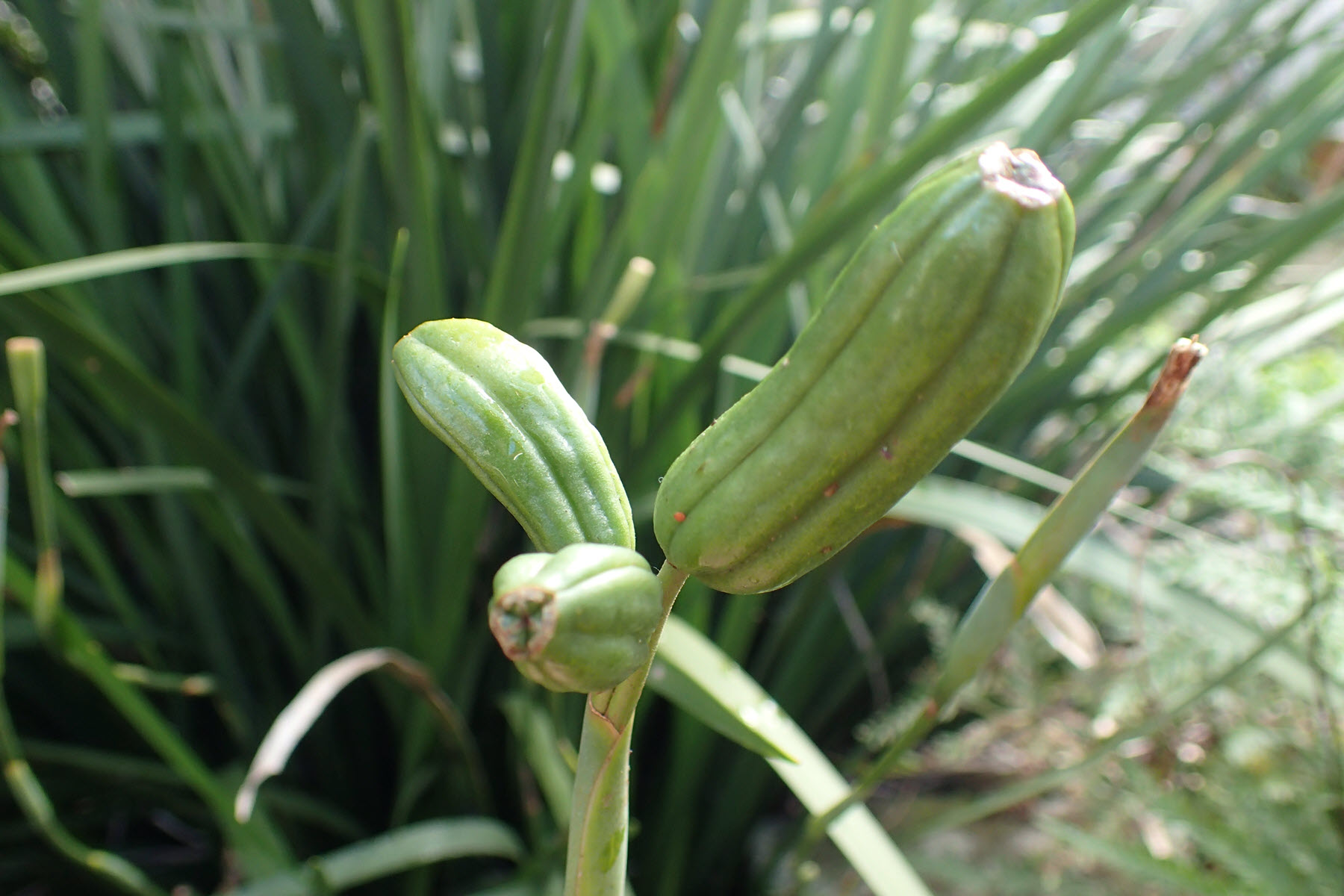
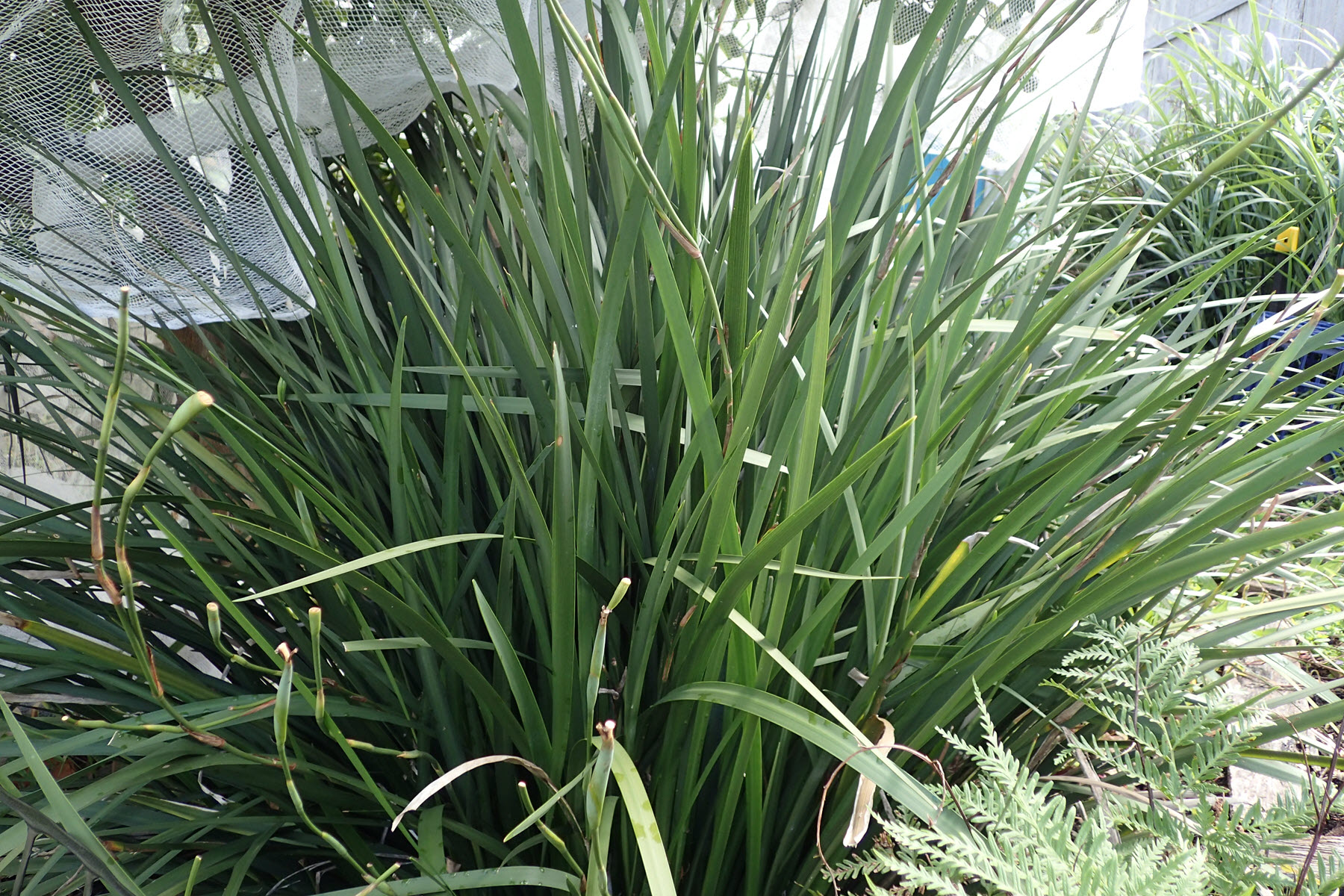
Plants consist of clumps of erect sword-shaped leaves, with short-lived, iris-like flowers that are white, yellow and mauve. The flowers are followed by green, three-celled capsules containing numerous hard angular seeds.

Dietes is spread by seed via water, humans, contaminated soil (earthmoving equipment, car tyres, etc) and garden refuse dumping.

Please remove spent flowers to stop seeds developing. Remove any seed-heads, and place any seed-heads or plant roots/rhizomes in your green waste (FOGO) bin, or if you don't have a FOGO (Food Organics Green Organics) bin, place them in your rubbish bin.
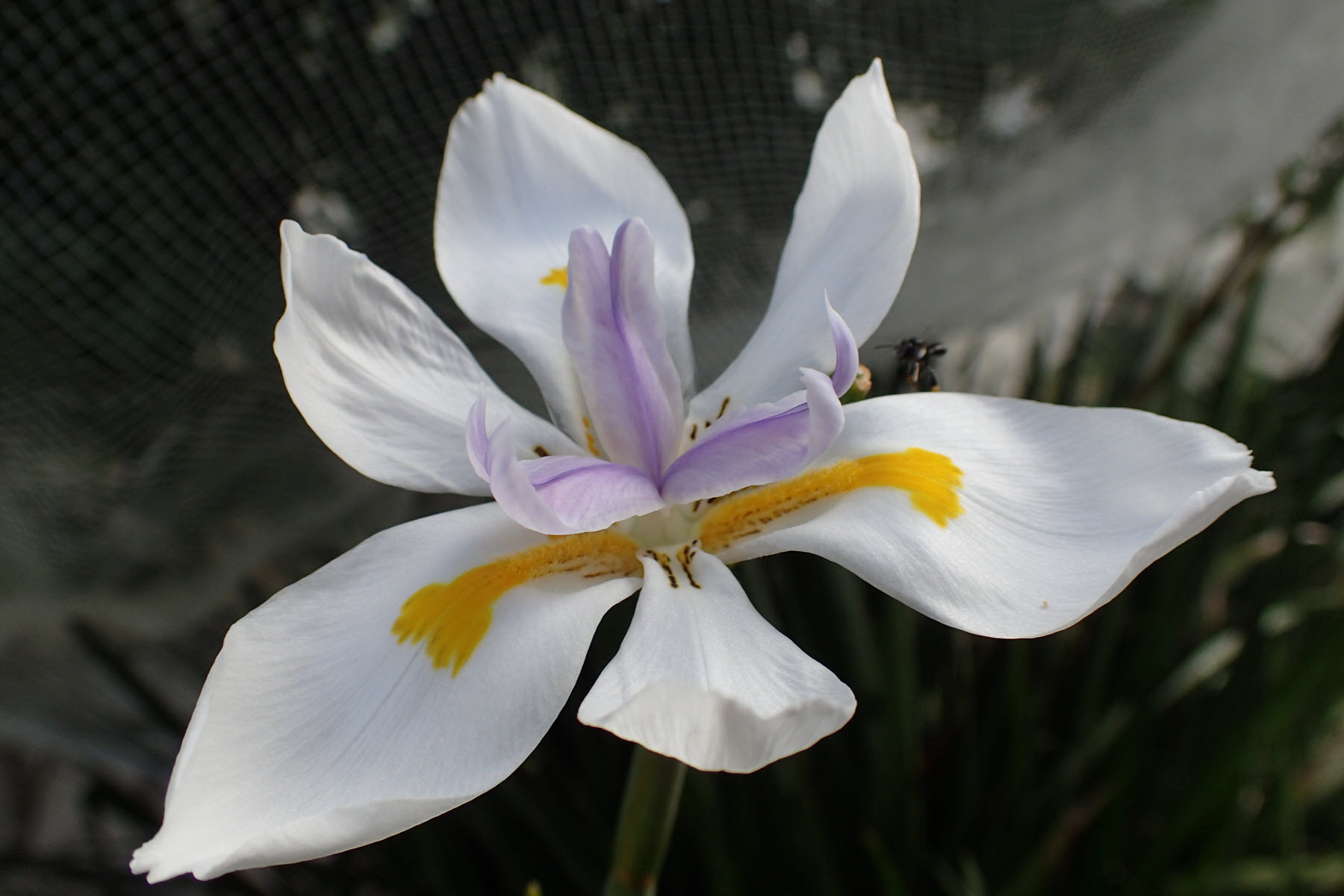
Dietes Flower
Dietes Plant
Dietes Seed Pods

Grow Me Instead

Grass flag (Libertia paniculata)

Australian native which forms a grass like clump with masses of white flowers in spring, for moist, semi-shaded positions.


Blue flax lily (Dianella spp.)

Flax lily is native to Australia and many of the garden cultivars stem from four of the native strains. The richly-hued blue flowers with delicate yellow anthers perch like chandeliers on the end of wiry stems and contrast well with the long linear form of the leathery leaves.


Kangaroo paws (Anigozanthus species and varieties.)

Kangaroo paws originate in Western Australia. They have clumps of strappy leaves. The different varieties vary in colour, height and hardiness in our area.


25 Tunnel Road, Helensburgh,
NSW 2508 Australia

 merilyn@helensburghlandcare.org.au

 0414 819 742

Stay Connected

Helensburgh & District Landcare Group acknowledges the traditional custodians of the land. We pay respect to Aboriginal Elders past, present and emerging, and extend that respect to other First Nations people. We value their deep and continued spiritual and cultural connections to the land, waters and seas.

Helensburgh & District Landcare Group Inc is a non-governmental community movement dedicated to preventing land degradation and achieving sustainable land management, primarily in the 2508 postcode.

ABN: 12 869 870 867

https://landcareaustralia.org.au

Our site is powered by Easy Brew, a product created by Code Brewery®.