Helensburgh Landcare Logo
+61 414 819 742
Helensburgh Landcare Logo
  • Home Home
  • Membership Membership
  • Be Weed Wise Be Weed Wise
    • Asparagus fern
    • Asthma weed
    • Black-eyed Susan
    • Blue periwinkle
    • Canna lily
    • Easter cassia
    • Cocos palm & Canary Island date palm
    • Dietes, Butterfly iris
    • English ivy
    • Formosan lily
    • Giant Bird of Paradise
    • Ginger lily
    • Japanese sacred bamboo
    • Liriope
    • Madeira vine
    • Montbretia
    • Moth vine
    • Mother of millions
    • Small leaf privet
  • Streamwatch Streamwatch
  • News and Updates News and Updates
  • Call Us +61 414 819 742 Call Us +61 414 819 742
Helensburgh Landcare Logo
+61 414 819 742
Helensburgh Landcare Logo
  • Home Home
  • Membership Membership
  • Be Weed Wise Be Weed Wise
    • Asparagus fern
    • Asthma weed
    • Black-eyed Susan
    • Blue periwinkle
    • Canna lily
    • Easter cassia
    • Cocos palm & Canary Island date palm
    • Dietes, Butterfly iris
    • English ivy
    • Formosan lily
    • Giant Bird of Paradise
    • Ginger lily
    • Japanese sacred bamboo
    • Liriope
    • Madeira vine
    • Montbretia
    • Moth vine
    • Mother of millions
    • Small leaf privet
  • Streamwatch Streamwatch
  • News and Updates News and Updates
  • Call Us +61 414 819 742 Call Us +61 414 819 742

Asthma weed

Home/ Be Weed Wise/ Asthma weed

Parietaria judaica

Asthma weed, also known as pellitory of the wall and sticky weed, is a native of Europe, central and western Asia and northern Africa. It has invaded and is common in some part of eastern New South Wales, southern Victoria and south-eastern South Australia, as well as being present in other states and Lord Howe Island.

It can be found growing in urban areas (i.e. in walls, footpaths, embankments, etc.). It also inhabits gardens, rocky crevices, cliffs, coastal environs, riparian vegetation, waste areas and roadsides. In Helensburgh, it is present in damper areas, e.g. along creek and drainage lines, but is spreading.
 
As well as competing with our native species, it also has an impact on human health. Contact with the plant can induce severe skin reactions. Its pollen causes asthma, conjunctivitis, rhinitis and hay fever. 
 
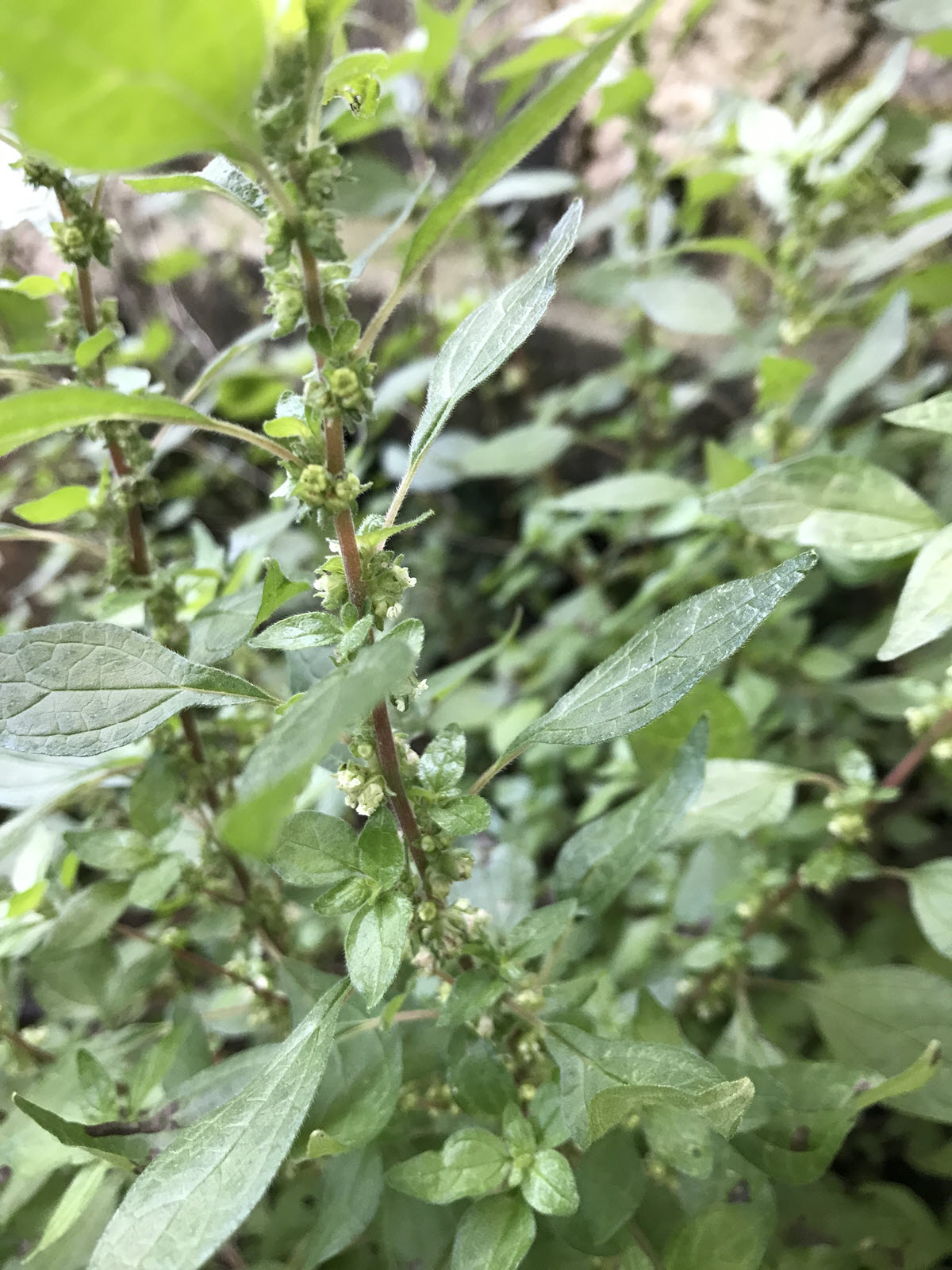
Pellitory has inconspicuous small flowers in spring and into summer. Plants mainly spread by abundant seeds, which are dispersed by wind, water and by attachment to humans and animals by sticky hairs.
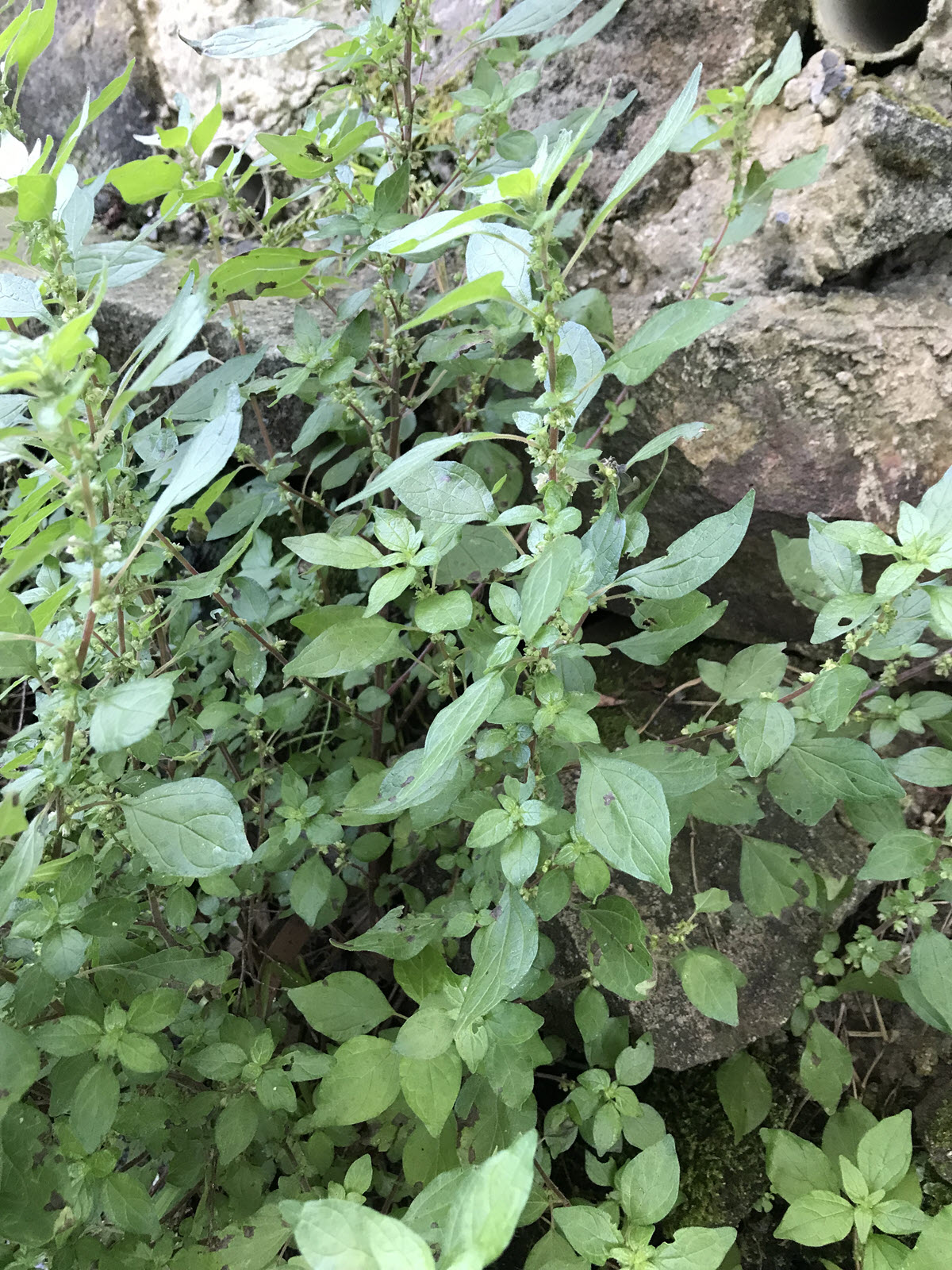
Asthma Weed Plant
Asthma Weed Flowers

Carefully remove by hand being sure to dig out all the roots. Where roots are anchored in walls or rocks, herbicide may need to be used. For large areas spraying with herbicide will be necessary.

For more information: https://weeds.dpi.nsw.gov.au/Weeds/Pellitory

25 Tunnel Road, Helensburgh,
NSW 2508 Australia

 merilyn@helensburghlandcare.org.au

 0414 819 742

Stay Connected

Helensburgh & District Landcare Group acknowledges the traditional custodians of the land. We pay respect to Aboriginal Elders past, present and emerging, and extend that respect to other First Nations people. We value their deep and continued spiritual and cultural connections to the land, waters and seas.

Helensburgh & District Landcare Group Inc is a non-governmental community movement dedicated to preventing land degradation and achieving sustainable land management, primarily in the 2508 postcode.

ABN: 12 869 870 867

https://landcareaustralia.org.au

Our site is powered by Easy Brew, a product created by Code Brewery®.