Helensburgh Landcare Logo
+61 414 819 742
Helensburgh Landcare Logo
  • Home Home
  • Membership Membership
  • Be Weed Wise Be Weed Wise
    • Asparagus fern
    • Asthma weed
    • Black-eyed Susan
    • Blue periwinkle
    • Canna lily
    • Easter cassia
    • Cocos palm & Canary Island date palm
    • Dietes, Butterfly iris
    • English ivy
    • Formosan lily
    • Giant Bird of Paradise
    • Ginger lily
    • Japanese sacred bamboo
    • Liriope
    • Madeira vine
    • Montbretia
    • Moth vine
    • Mother of millions
    • Small leaf privet
  • Streamwatch Streamwatch
  • News and Updates News and Updates
  • Call Us +61 414 819 742 Call Us +61 414 819 742
Helensburgh Landcare Logo
+61 414 819 742
Helensburgh Landcare Logo
  • Home Home
  • Membership Membership
  • Be Weed Wise Be Weed Wise
    • Asparagus fern
    • Asthma weed
    • Black-eyed Susan
    • Blue periwinkle
    • Canna lily
    • Easter cassia
    • Cocos palm & Canary Island date palm
    • Dietes, Butterfly iris
    • English ivy
    • Formosan lily
    • Giant Bird of Paradise
    • Ginger lily
    • Japanese sacred bamboo
    • Liriope
    • Madeira vine
    • Montbretia
    • Moth vine
    • Mother of millions
    • Small leaf privet
  • Streamwatch Streamwatch
  • News and Updates News and Updates
  • Call Us +61 414 819 742 Call Us +61 414 819 742

Be Weed Wise

How can you be weed wise?

The purpose of this page is to encourage the replacement of weedy garden plants with plants that will not jump the garden fence. We aim to empower gardeners to make informed choices about what to plant. By making better choices you can help preserve our native flora and fauna. 

Impacts of environmental weeds include
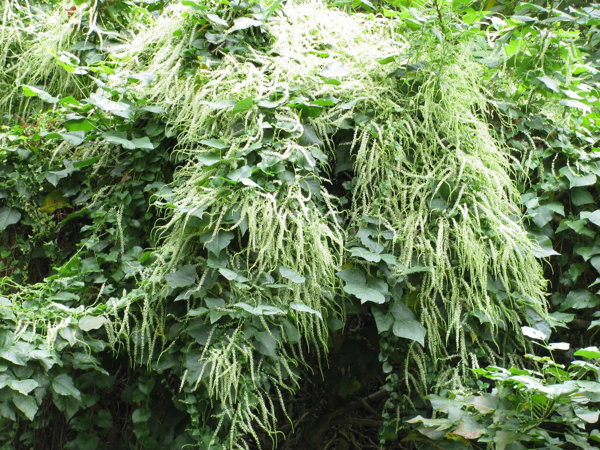
Madeira Vine 2
  • crowding out local native plants by competing for water, nutrients and light
  • preventing establishment of native plant seedlings by creating heavy shade or a thick layer of plant litter on the ground
  • changing the nutrient content of soils, possibly making the soil more hospitable for weeds
  • changing the fire regime by making vegetation more or less flammable, dictating what native plants will continue to survive in the changed conditions
  • altering the availability of food and shelter for native animals, and improving conditions for introduced species or opportunist natives such as Pied Currawongs and Noisy Miners.

Even well-behaved garden plants can have unforeseen impacts on native animals. Many gardeners like to include nectar-producing plants “for the birds”. The provision of an abundant and constant food supply can help large, aggressive birds to increase, often at the expense of other species. For example, Noisy Miners, Bell Miners and Wattlebirds will drive out smaller honeyeaters, and Rainbow Lorikeets take over tree hollows needed for nesting by other birds, possums and bats.
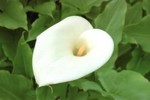
Arum Lily Flower

Arum lily

Zantedeschia aethiopica

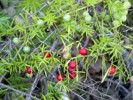
Asparagus Fern Fruit

Asparagus fern and Bridal creeper

Asparagus aethopicus, Asparagus asparagoides
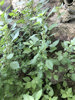
Asthma Weed Plant

Asthma weed

Parietaria judaica

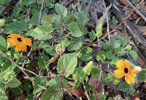
Black Eyed Susan 1

Black-eyed Susan

Thunbergia alata

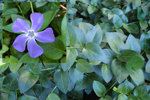
Blue Periwinkle

Blue periwinkle

Vinca major

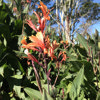
Canna Orange

Canna lily

Canna x generalis

Cape Ivy Flowers

Cape ivy

Delairea odorata

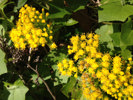
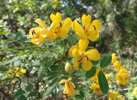
Cassia 3

Cassia

Senna pendula var. glabrata

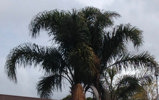
Cocos Palm

Cocos palm and Canary Island date palm

Syagrus romanzoffiana and Phoenix canariensis
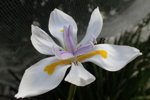
Dietes Flower

Dietes, butterfly iris

Dietes spp.

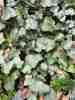
Ivy New Image

English Ivy

Hedera helix

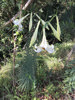
Formosan Lily 2

Formosan lily

Lilium formosanum

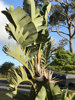
Giant Bird Of Paradise (Strelitzia Nicolai)

Giant Bird of Paradise

Strelitzia nicolai
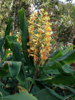
Ginger Lily Flower

Ginger lily

Hedychium gardnerianum

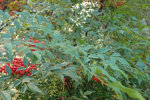
Nandina Flowers & Fruit

Japanese Sacred Bamboo

Nandina domestica
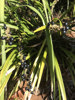
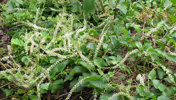
Liriope Fruit 1

Liriope

Liriope spp.

Madeira Vine

Madeira vine

Anredera cordifolia

Montbretia 2

Montbretia

Crocosmia x crocosmiiflora
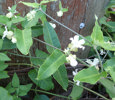
Moth Vine Flowers

Moth vine

Araujia sericifera

Mother Of Millions Small Plant

Mother of millions

Bryophyllum delagoense
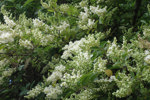
Privet Flowers

Small leaf privet

Ligustrum sinense

25 Tunnel Road, Helensburgh,
NSW 2508 Australia

 merilyn@helensburghlandcare.org.au

 0414 819 742

Stay Connected

Helensburgh & District Landcare Group acknowledges the traditional custodians of the land. We pay respect to Aboriginal Elders past, present and emerging, and extend that respect to other First Nations people. We value their deep and continued spiritual and cultural connections to the land, waters and seas.

Helensburgh & District Landcare Group Inc is a non-governmental community movement dedicated to preventing land degradation and achieving sustainable land management, primarily in the 2508 postcode.

ABN: 12 869 870 867

https://landcareaustralia.org.au

Our site is powered by Easy Brew, a product created by Code Brewery®.